50-State Guide
Physician collaboration requirements for nurse practitioners vary by state. Some states require NPs to have a collaborative agreement with a physician in order to practice or prescribe. Others require collaboration only during an initial transition period, and some don’t require it at all. Use this guide to compare each state’s practice category, path to independent practice, prescribing rules, and agreement and filing requirements across all 50 states.
Talk with a specialist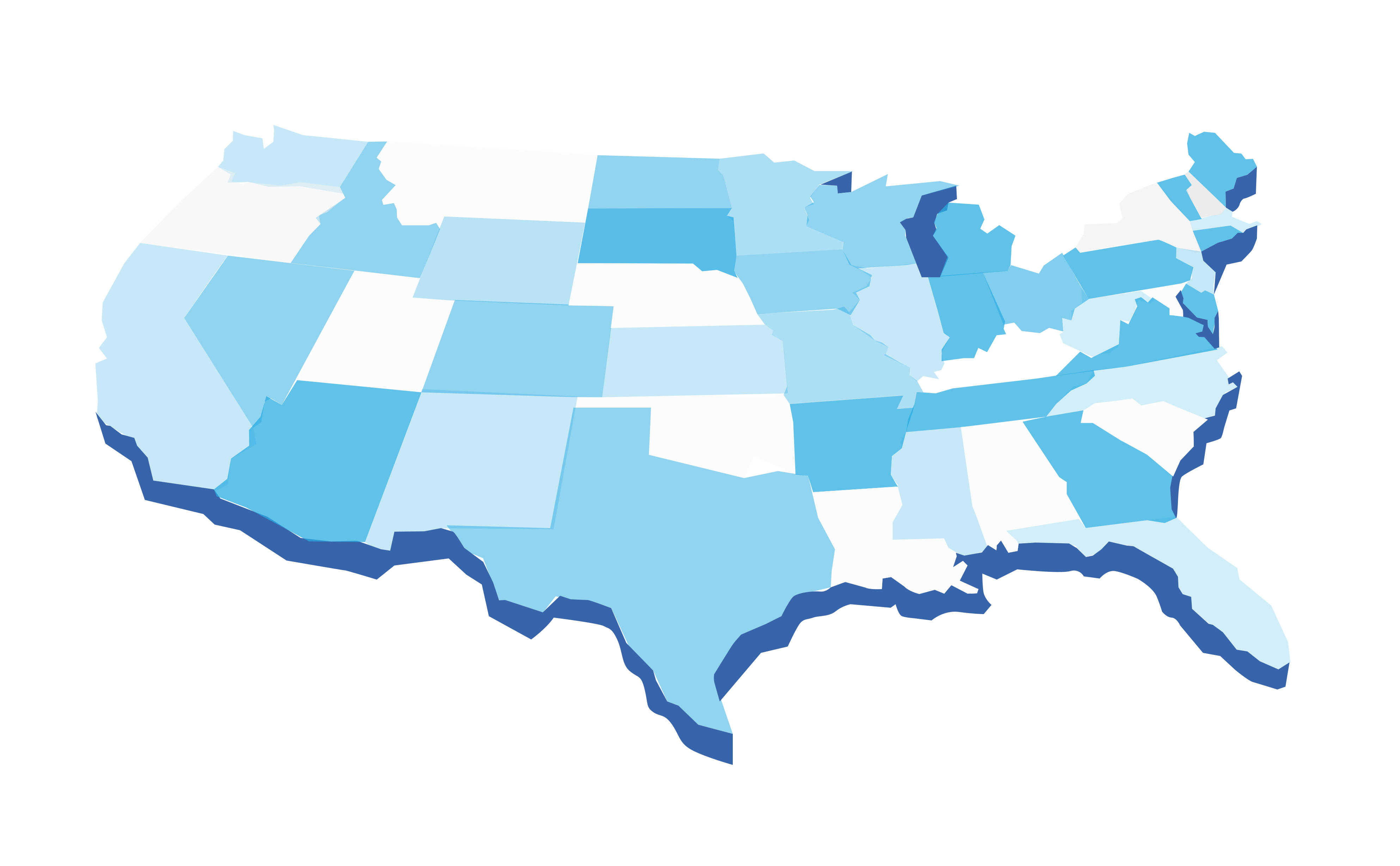
Physician collaboration refers to a formal professional relationship required for some nurse practitioners (NPs/APRNs) to practice or prescribe. Depending on the state, it may involve a written agreement, consultation, chart review, or prescribing conditions. Physician assistant (PA) supervision requirements are distinct and should be checked separately.
Requirements vary by state. Some NPs need an ongoing collaboration relationship, some have a transition period, and others can practice independently. Use the state summaries below as a starting point, then confirm the current requirements with the relevant state board.
Requirements differ by state and experience. Collaboration may be ongoing, transitional, or unnecessary for an NP who meets the state’s practice requirements.
Check the agreement and prescribing rules. Where collaboration is required, the state may specify documentation, review, ratio, and prescribing conditions.
Check every state where care is delivered. Telehealth and multi-state operations require attention to the applicable state rules and current licenses.
GuardianMD helps clinics and multi-location organizations coordinate collaborating physicians, state-specific agreements, license and ratio tracking, and audit-ready documentation.
Talk with a specialist