News, Advice & Strategy for Nurse-Driven Clinics

Stay up to date on medical oversight trends, regulatory changes, physician collaboration, and how to build a successful, compliant healthcare business.

Filter posts by category

how to become a collaborating physician in 2025

How to Become a Collaborating Physician in 2026 | State Rules, Duties & Compliance

Thinking about expanding your career by becoming a collaborating physician in 2025? We’ll cover exactly how to do it — from understanding state-specific requirements and chart review duties to managing oversight agreements and compensation models. You’ll learn what it takes to support nurse practitioners safely and legally. Whether you’re exploring the DIY approach, joining a matchmaking service, or using a compliance platform like GuardianMD, this article gives physicians a clear roadmap for navigating laws, maintaining proper documentation, and staying protected during audits or board reviews. It’s your complete playbook for turning oversight into opportunity — the right way.

How to Become a Collaborating Physician in 2026 | State Rules, Duties & Compliance Read Post »

Choosing the Best Collaborating Physician Solution

Physician Matchmaking vs. NP Enablement Platforms: Choosing the Best Collaborating Physician Solution

Choosing the right collaborating physician solution is essential for nurse practitioners who want to stay compliant and grow their practice. Basic matchmaking services only make introductions, often leaving NPs unprotected from compliance and documentation risks.

An enablement platform offers a stronger foundation—providing CPOM compliance, malpractice coverage, credentialing, and board inquiry support to ensure your practice runs safely and sustainably.

Physician Matchmaking vs. NP Enablement Platforms: Choosing the Best Collaborating Physician Solution Read Post »

corporate practice of medicine

Overview and Guide for Corporate Practice of Medicine (CPOM): Laws, PC/MSO Models, and State Rules

The Corporate Practice of Medicine (CPOM) doctrine keeps medical decisions in the hands of licensed professionals—not corporations. Designed to protect patients from profit-driven influence, CPOM laws prevent non-physicians from controlling how care is delivered. While enforcement varies—strict in states like California, New York, and Texas, more flexible in Florida—the principle remains the same: medical judgment must stay independent.

To stay compliant, many clinics use a PC/MSO model, where the physician-owned Professional Corporation oversees clinical care, and the Management Services Organization handles operations. Structuring fees correctly and maintaining real physician oversight are key to avoiding “strawman” setups. Even in permissive states, CPOM-compliant models support scalability, investor readiness, and long-term stability.

Overview and Guide for Corporate Practice of Medicine (CPOM): Laws, PC/MSO Models, and State Rules Read Post »

How to find a medical director

How to Find a Medical Director in 2026: What Every Clinic Owner Needs to Know

Finding the right medical director has become one of the most important—and misunderstood—steps in launching a compliant healthcare business. In 2025, regulators are cracking down on “paper-only” oversight and expecting real documentation, protocols, and supervision. Whether you run a medspa, IV clinic, or weight-loss practice, your medical director must be more than a name on file—they’re legally responsible for care quality, safety, and compliance.

From hiring a trusted colleague to posting on job boards or using specialized oversight platforms, each option comes with trade-offs in cost, risk, and regulatory protection. The key is understanding what true medical oversight looks like—because the wrong structure can put your entire business at risk.

How to Find a Medical Director in 2026: What Every Clinic Owner Needs to Know Read Post »

How to Write a Nurse Practitioner Collaborative Practice Agreement: Templates, State Rules, and Physician Oversight

A collaborative practice agreement (CPA) defines how a nurse practitioner (NP) works with a collaborating physician, outlining scope of practice, prescriptive authority, supervision, and communication. Requirements vary by state, but clear, documented oversight is essential for compliance, patient safety, and DEA registration. Common pitfalls include vague language, missing signatures, unfiled agreements, and skipped chart reviews. A strong CPA balances specificity with flexibility, includes backup coverage, and is reviewed annually. Maintaining a well-documented, up-to-date agreement protects both the NP and physician while supporting a compliant, professional practice structure.

How to Write a Nurse Practitioner Collaborative Practice Agreement: Templates, State Rules, and Physician Oversight Read Post »

collaborating physician

How Nurse Practitioners Can Find a Collaborating Physician in 2026: Options, Risks, and Compliance Considerations 

For nurse practitioners, securing a collaborating physician is crucial for licensure, compliance, and safe practice. While some states allow more independence, many still require formal collaboration, making clear agreements, supervision, and backup coverage essential. NPs can find collaborators through personal networks, job boards, or professional oversight platforms—each with pros and cons. Structured platforms offer CPOM-compliant setups, board-ready documentation, and continuity safeguards, reducing legal and operational risk. When done correctly, the right collaboration provides a strong foundation for scalable, defensible practices, letting NPs focus on patient care and business growth with confidence.

How Nurse Practitioners Can Find a Collaborating Physician in 2026: Options, Risks, and Compliance Considerations  Read Post »

old senior citizen woman nurse care

4 Reasons Why You Should Provide Out-of-Clinic Nursing Services

Expanding nursing care beyond traditional clinics—through home visits, community programs, or telehealth—offers nurses flexibility, professional growth, and deeper patient connections. Out-of-clinic nursing allows personalized care, closer relationships, and exposure to innovative healthcare models like remote monitoring and interdisciplinary teams. It also broadens skills, supports work-life balance, and provides opportunities for entrepreneurial growth. By stepping outside the clinic, nurses can make a meaningful impact on patients’ lives while staying at the forefront of evolving healthcare delivery, combining professional fulfillment with flexibility and the chance to shape the future of patient-centered care.

4 Reasons Why You Should Provide Out-of-Clinic Nursing Services Read Post »

MID IV hydration

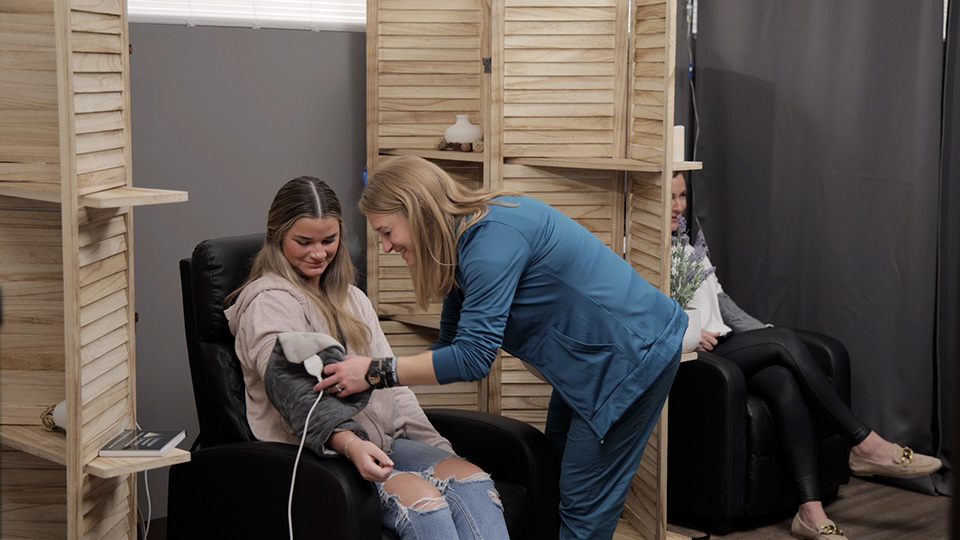
Michigan Immune Defense | From ICU Nurse to IV Therapy Business Owner

From ICU nurse to entrepreneur, Mallory Capp’s journey is one of resilience and innovation. After 12 years in Detroit’s Henry Ford ICU and facing the challenges of COVID-19, Mallory turned her focus to preventive care, founding Michigan Immune Defense. Her IV vitamin therapy business delivers immune-boosting treatments outside the hospital, combining clinical expertise with patient-centered care. By navigating regulatory hurdles and leveraging innovative oversight models, she retained full ownership while ensuring compliance. Mallory’s story highlights how dedication, adaptability, and a passion for helping others can transform a nursing career into a thriving healthcare business.

Michigan Immune Defense | From ICU Nurse to IV Therapy Business Owner Read Post »

iv hydration therapy

IV Hydration Therapy Basics

IV hydration therapy is a fast-growing healthcare service delivering fluids, vitamins, electrolytes, and medications directly into the bloodstream for rapid absorption and recovery. Popular for wellness, energy, immune support, hangover relief, and adjunct illness care, IV therapy offers personalized benefits beyond traditional clinic visits. With options ranging from mobile clinics to IV spas, this approach allows healthcare providers to meet rising demand while exploring innovative, patient-centered care models. Understanding the basics—fluids, vitamins, medications, and safe administration—is essential for effective and compliant practice in this expanding field.

IV Hydration Therapy Basics Read Post »

Aesthetics nurse

The Art of Aesthetics: What It Takes to Be an Aesthetic Nurse

Aesthetic nursing blends healthcare and artistry, offering a career for those passionate about beauty and wellness. Aesthetic nurses perform treatments like Botox, dermal fillers, chemical peels, and laser therapies, helping clients look and feel their best. Success in this field requires clinical expertise, an artistic eye, empathy, and commitment to ongoing education. Nurses work in medical spas, dermatology offices, or plastic surgery clinics, and can even start their own practices. Ethics, patient safety, and personalized care are central, making aesthetic nursing a dynamic and rewarding path for those who want to impact both appearance and confidence.

The Art of Aesthetics: What It Takes to Be an Aesthetic Nurse Read Post »

two medical professionals talking

How to Work Alongside a Collaborating Physician

Collaboration between nurse practitioners and physicians enhances patient care and, in many states, is legally required. Effective NP-physician partnerships rely on clear communication, defined roles, respect for expertise, regular meetings, and thorough documentation. Understanding state regulations—full, reduced, or restricted practice—is essential for compliance and autonomy. By fostering mutual trust and exchanging knowledge, NPs and collaborating physicians improve outcomes, streamline care, and support professional growth. Leveraging technology and structured oversight can further simplify collaboration, ensuring legal compliance while maximizing efficiency and quality in patient-centered healthcare delivery.

How to Work Alongside a Collaborating Physician Read Post »

Scroll to Top