

Corporate Practice of Medicine in California: What Every Clinic Owner Needs to Know in 2026
California has some of the nation’s toughest Corporate Practice of Medicine (CPOM) laws — meaning only physicians can own medical practices. For medspas, IV clinics, and nurse-led ventures, compliance hinges on the PC/MSO model: a physician-owned Professional Corporation (PC) for clinical care and a non-physician-owned Management Services Organization (MSO) for

What Does a Medical Director Do in IV Hydration, Aesthetics, and Wellness Clinics?
A medical director’s role in IV hydration, aesthetics, and wellness clinics goes far beyond signing paperwork. They oversee clinical safety, ensure compliance with delegation and CPOM laws, verify licensure, establish protocols, and review charts to maintain quality care. Regulators are now cracking down on “paper” directors who fail to provide
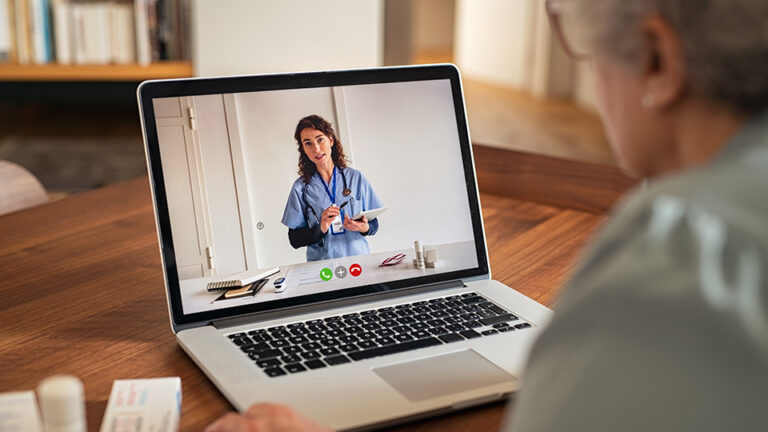
Good Faith Exams and Telemedicine Clearance Exams: 2025–2026 Complete Guide for Med Spas, IV Therapy and Wellness Clinics
This complete guide breaks down who can legally perform exams, the difference between state-recognized patient-provider relationships and industry buzzwords, and how to properly document telemedicine encounters to protect your license. You’ll learn the latest 2025–2026 compliance standards, discover what regulators really mean by a valid patient-provider relationship, and see why

How to Become a Collaborating Physician in 2025 | State Rules, Duties & Compliance
Thinking about expanding your career by becoming a collaborating physician in 2025? We’ll cover exactly how to do it — from understanding state-specific requirements and chart review duties to managing oversight agreements and compensation models. You’ll learn what it takes to support nurse practitioners safely and legally. Whether you’re exploring

Physician Matchmaking vs. NP Enablement Platforms: Choosing the Best Collaborating Physician Solution
Choosing the right collaborating physician solution is essential for nurse practitioners who want to stay compliant and grow their practice. Basic matchmaking services only make introductions, often leaving NPs unprotected from compliance and documentation risks.
An enablement platform offers a stronger foundation—providing CPOM compliance, malpractice coverage, credentialing, and board inquiry

Overview and Guide for Corporate Practice of Medicine (CPOM): Laws, PC/MSO Models, and State Rules
The Corporate Practice of Medicine (CPOM) doctrine keeps medical decisions in the hands of licensed professionals—not corporations. Designed to protect patients from profit-driven influence, CPOM laws prevent non-physicians from controlling how care is delivered. While enforcement varies—strict in states like California, New York, and Texas, more flexible in Florida—the principle

How to Find a Medical Director in 2025: What Every Clinic Owner Needs to Know
Finding the right medical director has become one of the most important—and misunderstood—steps in launching a compliant healthcare business. In 2025, regulators are cracking down on “paper-only” oversight and expecting real documentation, protocols, and supervision. Whether you run a medspa, IV clinic, or weight-loss practice, your medical director must be

How to Write a Nurse Practitioner Collaborative Practice Agreement: Templates, State Rules, and Physician Oversight
A collaborative practice agreement (CPA) defines how a nurse practitioner (NP) works with a collaborating physician, outlining scope of practice, prescriptive authority, supervision, and communication. Requirements vary by state, but clear, documented oversight is essential for compliance, patient safety, and DEA registration. Common pitfalls include vague language, missing signatures, unfiled

How Nurse Practitioners Can Find a Collaborating Physician in 2025: Options, Risks, and Compliance Considerations
For nurse practitioners, securing a collaborating physician is crucial for licensure, compliance, and safe practice. While some states allow more independence, many still require formal collaboration, making clear agreements, supervision, and backup coverage essential. NPs can find collaborators through personal networks, job boards, or professional oversight platforms—each with pros and